
When buying a new device or gadget, you may spot a small label stuck near a screw or cover. It may say something like, “Warranty void if removed.” You might wonder what it really means. Does peeling it off truly erase your right to repair or refund? The answer isn’t always simple.
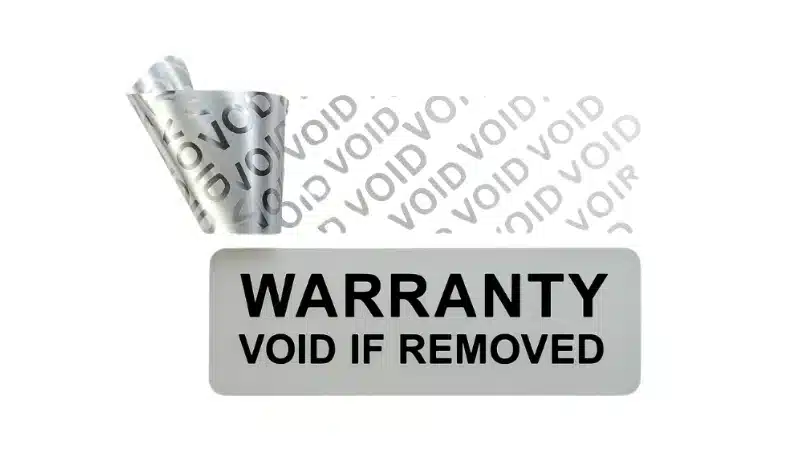 Warranty stickers raise many questions, especially when they relate to repair rights and brand policies. Some stickers aim to protect companies from misuse, while others serve to check tampering. However, not all of them carry legal weight. This article clears up five key facts every consumer should know before dealing with a warranty sticker.
1. Warranty void if removed” doesn’t always mean what you think
That bold line often printed above a sticky seal sounds strict but it doesn’t always hold up under law. A warranty sticker, even one that warns against removal, doesn’t always cancel your rights. Rules about product warranties change from country to country, and in many cases, they protect buyers first.
Here’s what makes this interesting:
- A company can’t block your warranty just because you removed a sticker unless it proves the damage came from tampering.
- In many regions, courts examine why a product failed instead of just checking if a label is still attached to it.
- If a part breaks due to poor build quality, you may still claim your warranty even with no sticker in sight.
Still, sticker warnings act as strong reminders. Removing them without reason could cause delays or questions during the claim process.
2. Sticker-tampering may not always cancel your warranty (but it can complicate it)
Even if your legal rights stay safe, removing or breaking a warranty void sticker can make things harder. Service teams may raise concerns or look for proof that you didn’t cause the issue. This means the process could slow down or take more time.
That’s why you should think carefully before peeling any label. If the product works fine and you’re just curious, leave it be. But if you need to open something say, for repair or inspection check your warranty terms first.
Three common effects of tampering with a sticker:
- The company might inspect the product more closely or delay approval.
- You might need to explain why the sticker was removed.
- The service team may ask you to cover any fixes not linked to manufacturing faults.
Some brands even use tamper-evident warranty stickers that shred or mark once lifted. These seals signal right away that the item was opened making it easier for teams to trace interference.
3. Manufacturers and brands use warranty stickers for more than just warranty validation
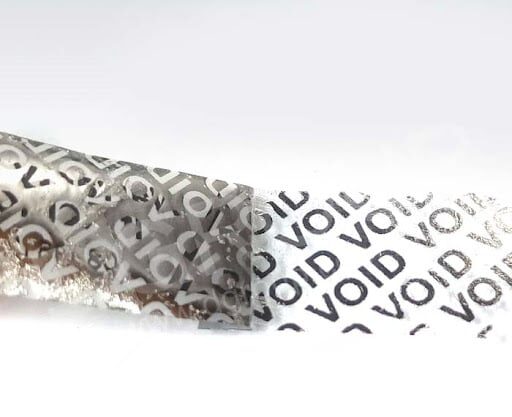 A warranty sticker often plays a bigger role than many think. Beyond serving as proof of untouched goods, these small labels work as tools for brand control. They help companies track product history, manage services, and discourage repair attempts that could cause further damage.
Here’s what else they do:
- They act as checkpoints. Some stickers carry serial numbers or hidden prints that help brands verify items quickly.
- They warn buyers not to open sealed parts or use fake components.
- Some warranty seal labels even include smart inks or QR codes that change colour when tampered with.
These features not only support service decisions they also help reduce returns that aren’t the maker’s fault. As a result, stickers benefit both the business and honest buyers.
4. Choosing the right warranty sticker can reduce legal risk for the brand (and benefit you)
From a business view, not all stickers work the same. Some tear easily. Others resist peeling. The type a company picks often reflects how seriously it takes product protection. But a smart sticker choice can also lower legal risk.
For example, many firms now choose tamper-evident warranty stickers that break into flakes once touched. These seals show signs of entry and leave clear proof if someone opened the product.
Using strong but fair warranty label stickers helps brands:
- Stay clear of unfair warranty practices.
- Prove when damage comes from external tampering.
- Gain trust by being clear with customers.
For buyers, this means fewer disputes. If you return a product with an untouched sticker, it shows you didn’t try to fix it yourself. This could speed up your claim and keep the process smooth.
5. What you should do if your warranty claim is denied because of a sticker
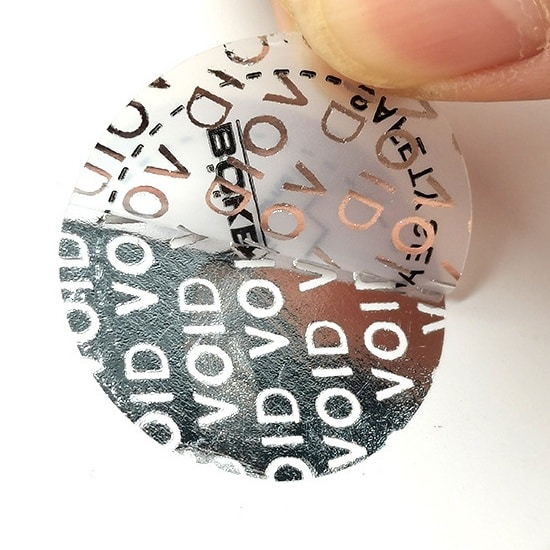 If a company refuses your request due to a warranty void sticker, don’t panic. Start by checking your product’s warranty terms. Some sellers rely on strong warnings, but cannot legally hold you to them without proof of misuse.
Follow these steps if your claim is rejected:
- Ask the brand for a clear reason behind the denial.
- Provide photos, receipts, or written proof that shows the fault came from normal use.
- If needed, raise the issue with a local consumer protection group.
In some areas, you may even send a legal notice. But many cases resolve faster when you show calm, firm support for your side.
You can also keep a copy of your item’s terms, highlight parts about stickers, and keep that with your warranty card. That way, if things go wrong, you already have the proof in hand.
Conclusion
Warranty stickers may seem small, but they can spark big problems. Whether it’s a warning label, a seal over a screw, or a tag placed by the shop, these stickers work like silent guards. But don’t let their look fool you. Not every removed label means a cancelled warranty. In many cases, your rights go far beyond what the sticker claims.
Still, peeling off a warranty seal label without a clear reason often makes things harder. Brands use them to stop tampering and to make repairs smoother not just to deny support. So, take a moment before touching that seal. Understanding what it means may save you time, money, and stress in the long run.
Frequently Asked Questions (FAQs)
Can I remove a warranty sticker if I want to clean the product?
It’s better not to remove the sticker. Even if you don’t damage the item, taking off the sticker could raise questions when you make warranty claims later.
What makes a tamper evident warranty sticker different?
These stickers break, shred, or change once touched. They help brands detect when a product has been opened or altered.
Do all countries treat sticker removal the same way?
Laws vary by location. In some areas, laws protect buyers more, while in others, brands can set stricter rules. Always check the product laws where you live.
Is a warranty sticker the only proof of a valid claim?
Not always. Your receipt, serial number, or warranty card also helps. But a clean sticker often makes the claim process smoother.